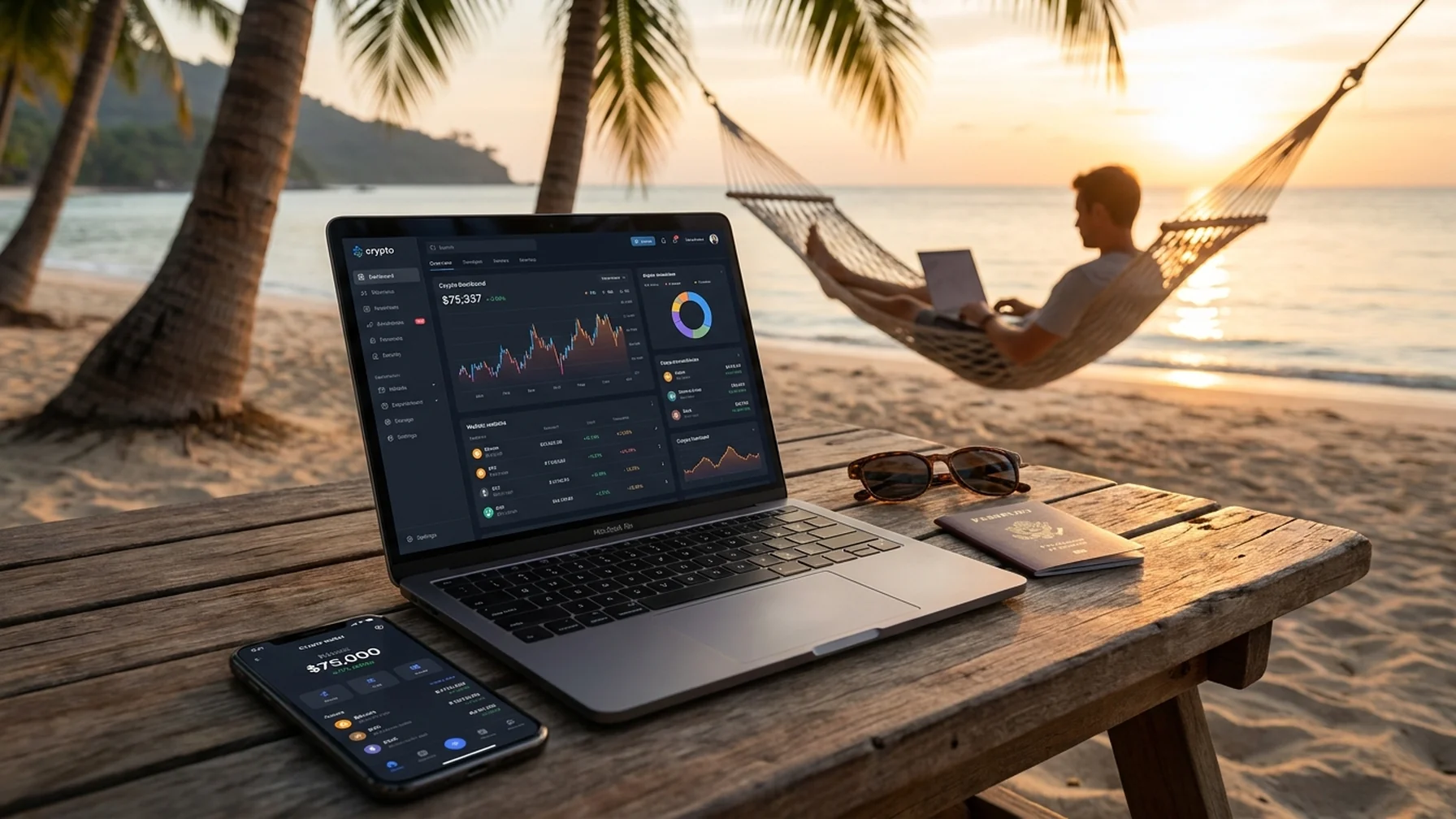
Crypto Tax Optimization for Digital Nomads.

Article Structure
As a digital nomad thriving with cryptocurrency, optimizing your tax situation is essential. Many countries offer tax benefits tailored for crypto enthusiasts. Understanding how to strategically establish tax residency and manage crypto finances can lead to significant savings. This guide will walk you through optimizing your crypto taxes, helping you enjoy your nomadic lifestyle without unexpected tax burdens.
Choosing a Crypto-Friendly Country
Selecting the right country can significantly impact your tax situation. Countries like Portugal, Dubai, and Malta are at the forefront of welcoming crypto nomads with favorable tax laws. Portugal, for instance, doesn't tax personal crypto gains, making it a favorite for many. Dubai, known for zero personal income tax, attracts those looking to maximize earnings. Malta offers a stable regulatory environment, ensuring security for crypto investors.
Exploring Crypto-Friendly Visas
Special visas for digital nomads often come with tax incentives, making them attractive for crypto investors. These visas provide benefits like simplified business operations and lower tax rates.
Consider these examples of crypto-friendly visa programs:
| Country | Visa Program | Key Benefits |
|---|---|---|
| Estonia | e-Residency | Access to EU markets, simplified business |
| Thailand | Smart Visa | Long-term stay, minimal bureaucracy |
| El Salvador | Residency for Crypto Investors | Crypto-friendly environment |
For example, a digital entrepreneur moved to Portugal to benefit from tax-free crypto gains, reinvesting into their business and enjoying a higher quality of life without tax pressure.
Optimizing Your Crypto Tax Strategy
Understanding crypto tax optimization is essential for maximizing returns and minimizing tax burdens. Here are some key strategies:
- Hold for Long-term: Cryptocurrencies held for over a year can qualify for lower long-term capital gains tax rates.
- Tax-Loss Harvesting: Selling underperforming assets to offset gains from other investments can reduce your overall tax liability.
- Utilize Tax-Advantaged Accounts: Investing in cryptocurrencies through IRAs or 401(k)s can lead to tax-deferral or even tax-free growth.
- Track Transactions: Maintaining detailed records of all crypto transactions ensures accurate reporting and helps identify deductible expenses.
Implementing these strategies helps cryptocurrency investors navigate tax regulations and enhance financial outcomes. For instance, a crypto trader might hold assets long-term to benefit from favorable tax rates and use tax-loss harvesting to manage liabilities effectively.
Paying Rent and Expenses with Crypto
In crypto-friendly countries, everyday transactions using cryptocurrency are becoming common. Landlords and services increasingly accept crypto payments, simplifying life for digital nomads. In places like Georgia and Panama, crypto transactions for daily expenses are rising. Utilizing crypto debit cards can ease this transition, allowing payments in local currencies seamlessly.
For example, a digital nomad in Panama uses a crypto debit card to pay for rent and groceries, avoiding currency exchange fees and enjoying the convenience.
Managing Tax Residency
Establishing tax residency in a country with favorable crypto laws is crucial. Countries like Singapore and Switzerland provide strategic advantages for crypto investors. Understanding local tax laws and residency requirements can enhance your ability to optimize your tax position.
A crypto trader who relocated to Singapore benefits from favorable tax treatment on capital gains, optimizing their overall tax strategy.
Handling Crypto Payments and Income
Receiving payments in crypto requires careful management and organization. Crypto invoicing tools can simplify this process by generating invoices, accepting crypto payments, and converting them to fiat if needed. Remote work tools also play a crucial role in managing projects and payments efficiently.
Consider a freelance designer who uses crypto invoicing software to streamline income, allowing more focus on creative projects rather than administrative tasks.
Off-Ramp Solutions for Spending Abroad
Converting crypto to fiat while traveling can be challenging without the right solutions. Off-ramp solutions like crypto debit cards and partnerships with local crypto-friendly banks simplify this process. Countries like Mexico and Bali are developing systems to support crypto transactions, making international travel smoother for digital nomads.
A travel blogger uses a crypto debit card in Bali, seamlessly converting crypto to local currency to cover travel expenses.
Banking and Financial Management Abroad
Opening a bank account that supports crypto transactions is vital for digital nomads. Some banks in Switzerland and Estonia cater specifically to crypto users, offering seamless integration between fiat and digital currencies. Additionally, eSIM services ensure you remain connected while managing finances on the go.
A digital marketer based in Estonia uses a local crypto-friendly bank to manage earnings, benefiting from the bank's innovative crypto services.
Working and Living as a Crypto Nomad
Crypto-friendly countries offer numerous coworking spaces, providing the perfect environment for digital nomads. These spaces often accept crypto payments, enhancing convenience and integrating seamlessly with the lifestyle. Travel insurance tailored for digital nomads ensures coverage while exploring new destinations.
Imagine a developer in Malta who pays for their coworking space with Bitcoin, enjoying the community's vibrant energy and collaborative opportunities.
Optimizing Your Crypto Tax Strategy
Ultimately, optimizing your crypto tax situation involves informed choices about where to live, understanding local laws, and leveraging available tools. Whether it's accepting payments, paying for services, or managing banking needs, the right strategy will help you thrive as a digital nomad without worrying about taxes.
A strategic roadmap might involve steps like consulting with tax professionals familiar with crypto laws, regularly reviewing tax obligations as laws change, and utilizing financial tools that align with your crypto use.
For instance, a seasoned crypto investor might regularly consult with a tax advisor to ensure compliance and optimize their tax strategy, adapting as necessary to new regulations or opportunities.