Exploring Crypto Residency Opportunities for Digital Nomads.

Article Structure
The rise of cryptocurrencies has opened up a world of possibilities, especially for digital nomads who earn their income through crypto. As the global economy becomes more digitized, these remote workers are continuously seeking countries that offer optimal conditions for living and working with cryptocurrencies. This involves not just tax benefits but also crypto-friendly visas and the ability to integrate crypto transactions into daily life seamlessly. Selecting the right location can significantly impact a nomad's lifestyle, offering both financial advantages and an enriching cultural experience. This article delves into some of the best crypto residency opportunities worldwide, examining the unique benefits each location provides.
Top Countries for Crypto Nomads
Finding the perfect spot for a crypto nomad involves considering various factors like taxes, visa options, and living expenses. Here are some top countries to consider:
- Portugal: Known for its favorable crypto tax laws, Portugal doesn’t tax personal crypto gains.
- Dubai: Offers a tax-free environment and a growing crypto community.
- Georgia: Low cost of living and crypto-friendly policies make it an attractive option.
- Malta: Known as the "Blockchain Island," Malta is very supportive of crypto businesses.
- Singapore: A financial hub with a progressive stance on cryptocurrencies.
- Thailand: Offers a digital nomad visa with a vibrant lifestyle.
- Mexico: Offers a diverse culture and growing acceptance of crypto payments.
- Panama: Known for its favorable tax environment and use of the US dollar.
- Estonia: Offers e-residency for easy business operations.
- Paraguay: Offers low living costs and increasing crypto acceptance.
- El Salvador: The first country to adopt Bitcoin as legal tender.
These countries provide various incentives, making them appealing to those who wish to live and work with cryptocurrency. For instance, Portugal's crypto tax laws have attracted many digital nomads who want to enjoy their crypto gains without heavy taxation. Similarly, Dubai's burgeoning crypto community provides networking opportunities for entrepreneurs and freelancers alike.
Common Mistakes and How to Avoid Them
When considering crypto residency opportunities, it's important to be aware of common pitfalls. Understanding these mistakes and how to avoid them can save you time and money. Here is a list of common mistakes and the steps to avoid them:
- Ignoring Tax Implications: Always consult with a tax professional to understand the tax obligations in your chosen country.
- Overlooking Legal Requirements: Research the legal requirements for residency to ensure compliance with local laws.
- Failing to Consider Cost of Living: Evaluate the cost of living to ensure it aligns with your financial situation.
- Not Engaging Local Experts: Hire local advisors to navigate legal and financial systems effectively.
By identifying and addressing these common mistakes, you can make a more informed decision about crypto residency opportunities. This proactive approach ensures a smoother transition and maximizes the benefits of your new residency.
Crypto-Friendly Visas and Tax Residency
Securing the right visa is crucial for digital nomads. Many countries now offer specific visas catering to remote workers, including those paid in crypto. For instance, Portugal’s D7 visa is popular among crypto enthusiasts due to its easy accessibility and favorable tax conditions. In Dubai, a new remote work visa allows digital nomads to enjoy a tax-free lifestyle.
Tax residency is another critical consideration. Countries like Portugal and Malta offer favorable tax regimes for crypto earnings. Understanding the local tax laws and residency requirements can greatly affect a nomad’s financial planning. Digital nomads in Malta enjoy a relaxed tax environment where only foreign income brought into the country is taxed, making it attractive for those earning in crypto.
Crypto Residency: Mistakes and Solutions Table
The table below outlines common mistakes in crypto residency with specific examples:
| Mistake | Example |
|---|---|
| Ignoring Tax Implications | Moving to Portugal without understanding the non-habitual residency tax benefits and requirements. |
| Overlooking Legal Requirements | Applying for residency in Malta without meeting the minimum investment criteria. |
| Failing to Consider Cost of Living | Choosing Switzerland for its crypto-friendly policies but underestimating the high living costs. |
| Not Engaging Local Experts | Attempting to set up a business in Singapore without local legal assistance. |
By identifying and addressing these common mistakes, you can make a more informed decision about crypto residency opportunities. This proactive approach ensures a smoother transition and maximizes the benefits of your new residency.
Paying Rent and Traveling with Crypto
For those living abroad, paying rent can be streamlined by using cryptocurrencies. Many landlords and property management companies in crypto-friendly countries accept digital currencies. Additionally, using crypto debit cards can simplify travel expenses, allowing nomads to pay for services and goods in local currencies effortlessly. In Thailand, for example, numerous property agencies have started accepting Bitcoin for rent payments, easing financial transactions for nomads.
Managing Finances: Banking and Invoicing
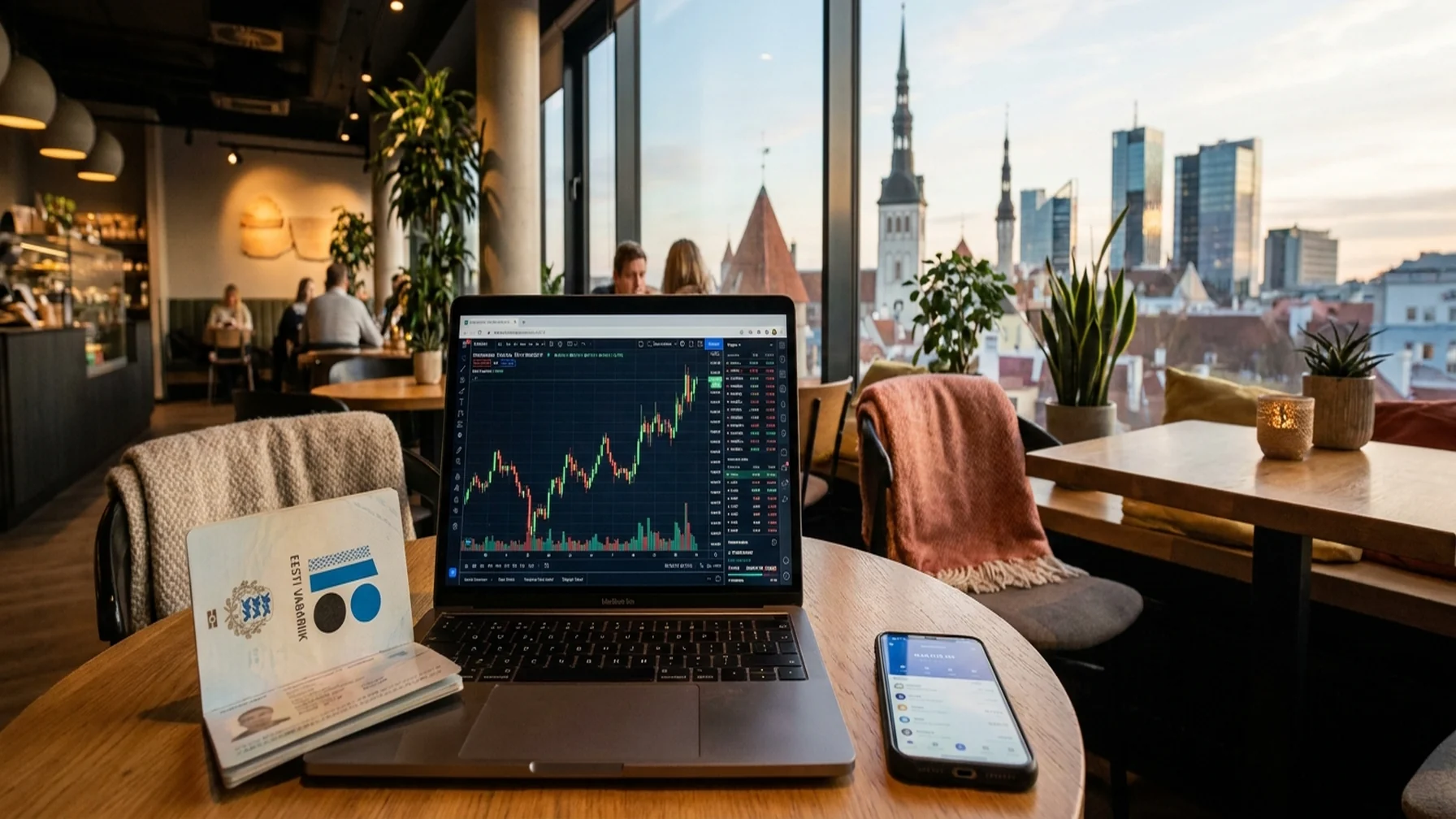
Managing finances is a key aspect of the digital nomad lifestyle. Opening a local bank account can be challenging, but some banks cater specifically to nomads, offering services that integrate with crypto. Additionally, tools for invoicing and accepting payments in crypto are essential for freelancers. These tools ensure seamless transactions and financial management while working remotely. In Estonia, for example, the e-residency program allows digital nomads to establish businesses and manage finances entirely online, providing them with the flexibility needed for a location-independent lifestyle.
Co-Working Spaces and Remote Work Tools
Co-working spaces provide a collaborative environment for digital nomads. Countries like Bali and Thailand offer numerous co-working spaces that are equipped with high-speed internet and networking opportunities. Moreover, using remote work tools like project management software and communication platforms is vital for maintaining productivity while on the move. In Bali, spaces like Hubud offer not just workstations but also workshops to improve digital skills, helping nomads stay competitive in the global market.
Travel Essentials: Insurance and Connectivity
Travel insurance tailored for digital nomads is essential to cover health emergencies and travel mishaps. Many insurance providers now offer specific packages for those constantly on the move. Additionally, staying connected is crucial, so using an eSIM can provide flexible and affordable internet access in various countries. Providers like SafetyWing offer worldwide travel insurance plans that include coverage for COVID-19, a significant concern for many travelers today.
Conclusion
Navigating the world as a crypto nomad requires strategic planning and awareness of the available opportunities. From choosing the right country with favorable crypto policies to managing daily expenses through crypto, the possibilities are expanding. By leveraging these crypto residency opportunities, digital nomads can enjoy a flexible and financially rewarding lifestyle.